
NIF / Shatil Social Justice Fellows, 2025 – 2026 Cohort
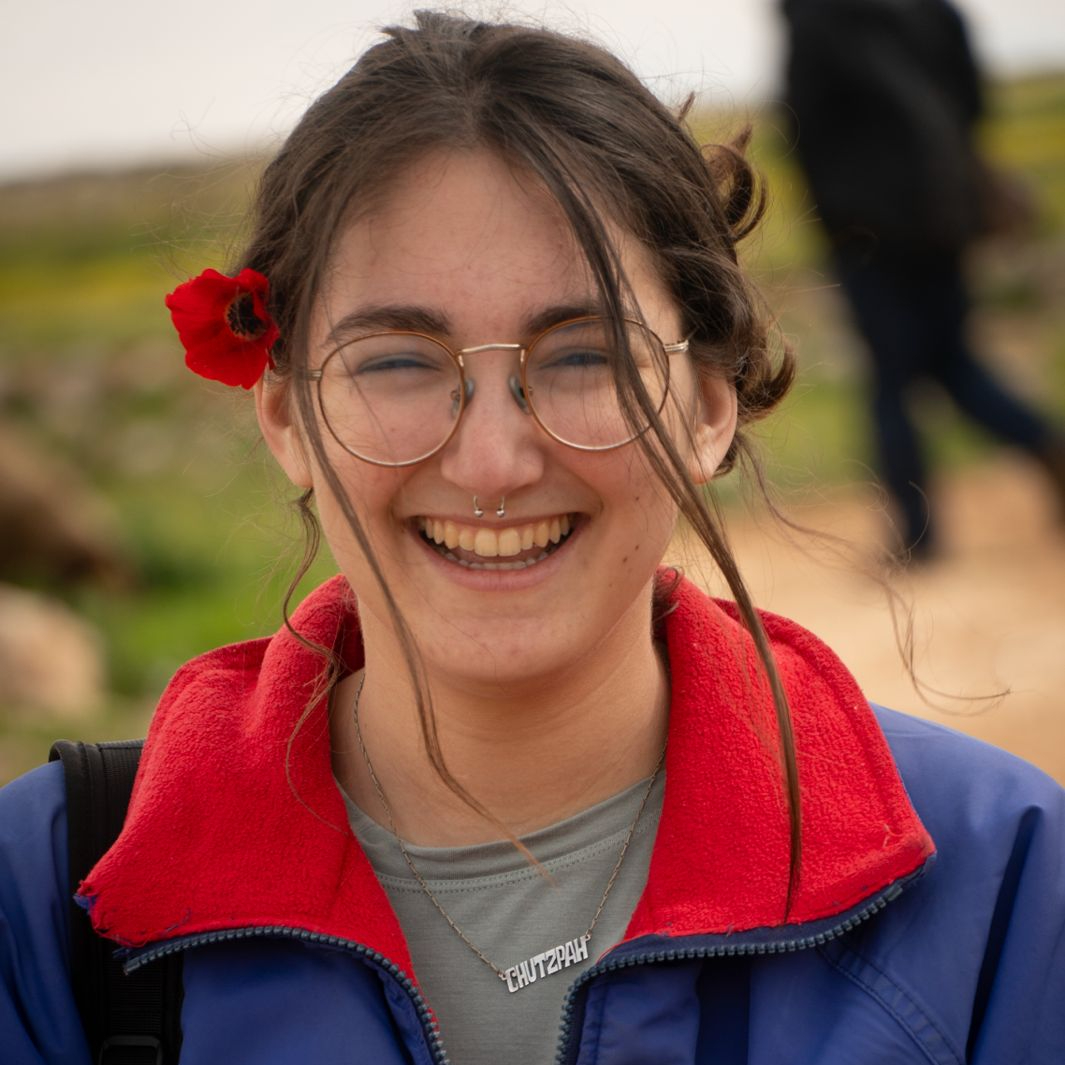
Noa Bearman is spending her year as the Jay E. Orlin Social Justice Fellow working at Rabbis for Human Rights as a field coordinator in Masafer Yatta. Noa grew up in Chapel Hill, North Carolina. She graduated December 2023 with a BA in Public Policy and a minor in Arabic from the University of North Carolina at Chapel Hill. As an undergraduate student, she founded the J Street U chapter at UNC, organizing the Jewish and non-Jewish community to learn and engage on issues related to Israel-Palestine. She also spent a semester of intensive study of Modern Standard Arabic (MSA) and Levantine dialect Arabic in Amman through “CET Jordan” in 2023.
Following graduation, Noa participated in the 2024 Spring Hineinu cohort with the Center for Jewish Nonviolence, where she spent 3 months living in Masafer Yatta engaging in solidarity and protective presence work. During this work she developed her Arabic skills, knowledge of the dynamics in the region and strong personal relationships with the activists and residents. These experiences led her to the work she will be doing with Rabbis for Human Rights throughout the fellowship.
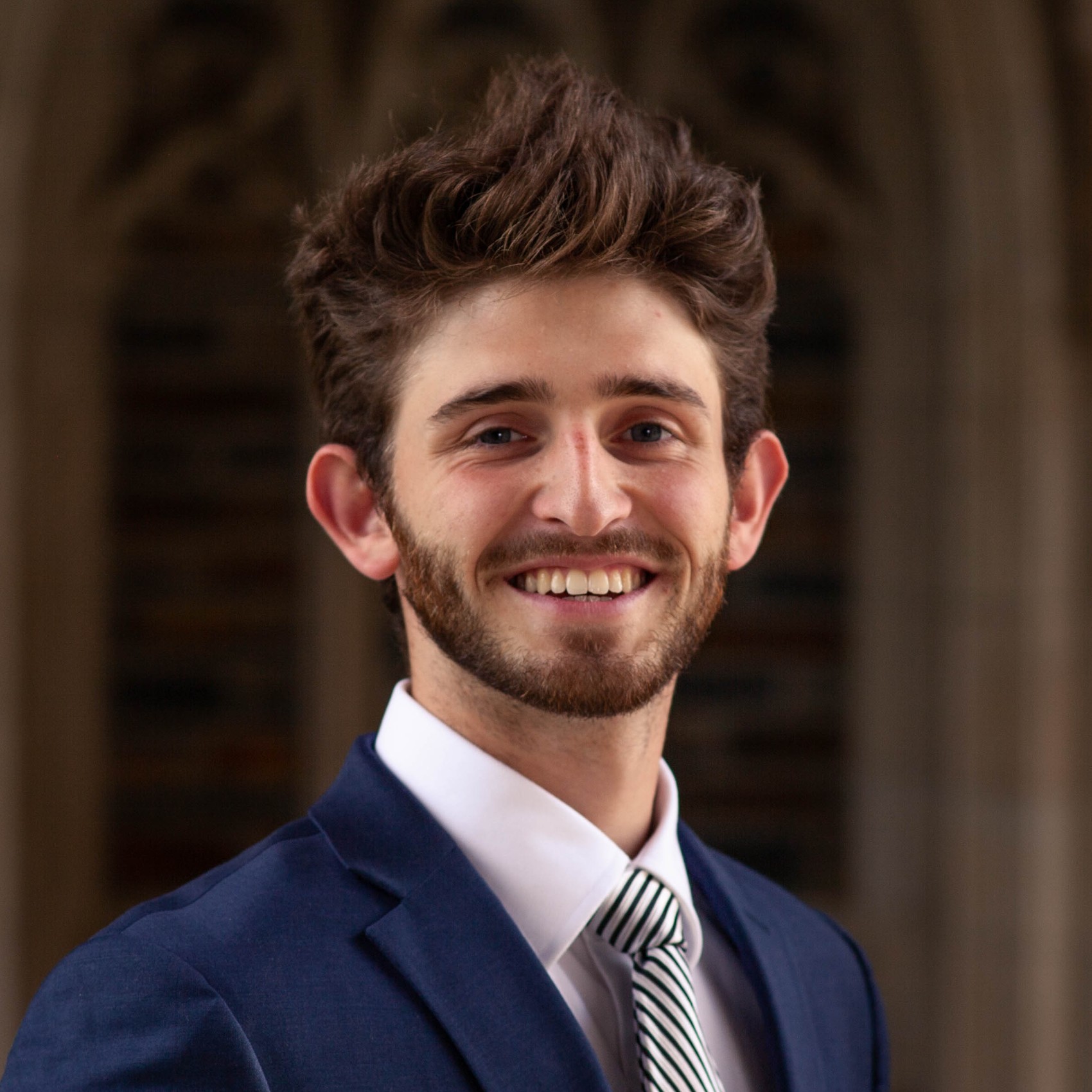
Sami Jinich is spending his year as the Nomi and Leibel Fein Social Justice Fellow working at Givat Haviva. The son of Jewish Mexican immigrants, Sami grew up speaking Spanish at home in Chevy Chase, Maryland. In 2021, he attended the Hartman Institute’s Gap Year Program in Jerusalem, where he also interned with Rabbis for Human Rights, producing an online interview series with leading rabbis in Israel and the U.S.
Sami graduated from Duke University in 2025 with a degree in Political Science, with a concentration in decision theory and data science. After interning with J Street, he revived and led Duke’s chapter of J Street U, organizing speakers, educational programs, and dialogue on Israel and the Israeli-Palestinian conflict for students and the wider community. From this work, he came to see how in-person contact can soften divides that often appear sharper online, and how creating spaces to scrutinize deeply held fears and assumptions fosters empathy between communities. Through various research positions, Sami explored how education, religion, and misinformation on social media shape political engagement. He also served as Membership Chair of the Jewish Student Union, organized orientation programming for incoming Jewish students, and spent a semester in Buenos Aires studying Latin American history and political economy.
In the summer of 2025, he co-hosted the Hartman Institute’s new podcast, Future Tense, after previously serving as a learning facilitator for Hartman’s Teen Fellowship. Sami loves to spend his free time rock climbing, swing dancing, and playing any racket sport he can find.
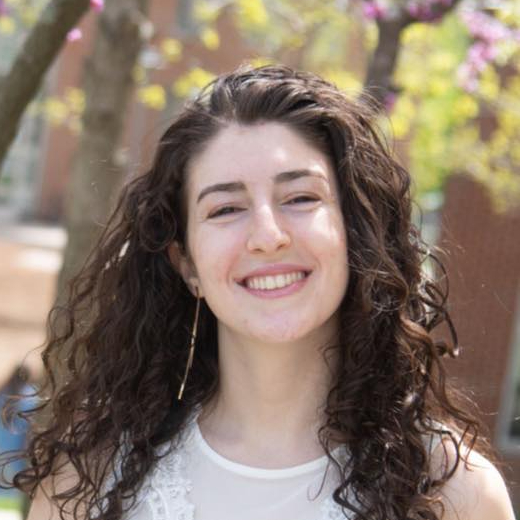
Eliana Padwa is spending her year as the Jay E. Orlin Social Justice Fellow working at Smol Emuni (the Faithful Left). Eliana is a Jerusalem-based educator and organizer, originally hailing from New York. She grew up in the Open Orthodox sphere, and has always been passionate about questions of history and justice in both religious and secular spaces. Eliana studied history and education at Brandeis University, and graduated with a Master’s in Teaching alongside her Bachelor’s in History. Throughout her time in university, she worked in student journalism, as well as participating in the Brandeis Bridges Justice Fellowship and interning at the Hadassah-Brandeis Institute.
After her time in university, Eliana chose to spend a year in Be’er Sheva teaching English, intending to spend her spare time exploring long-held questions around freedom and justice in Palestine. During that transformative year, she met with activists and thinkers, undergoing a self-directed political education journey. She returned to New York to teach middle school history, but didn’t stop thinking over critical questions about settlement and colonialism in the Middle East & worldwide.
In the wake of the October 7 attack, Eliana cofounded the group Halachic Left, intending to build a political home for religiously engaged Jews questioning communal loyalty to Israel. She then moved to Jerusalem as a participant in the Dorot Fellowship to continue political organizing, and is now excited to be working in the religious left and Palestinian rights sphere as a Shatil fellow. She spends her time engaged in solidarity work in the West Bank & working on political education within her community.
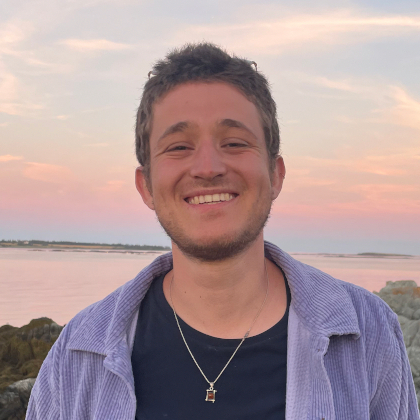
Ori Shaham, who is spending his year as the Richard J. Israel Social Justice Fellow working with Standing Together. Ori grew up in New York City in Harlem to two Israeli parents. From the age of 11, Ori spent summers at Camp Shomria in the Catskills, as part of the Hashomer Hatzair youth movement, and became interested in peace and anti-occupation activism while at Shomria. Ori was also the Educational Director at Shomria for three years, as well as the year-round Movement Secretary. Following high school, Ori spent a year in the Mechinat Rabin program in Kibbutz Adamit.
Ori graduated in December of 2023 from Grinnell College, in Iowa, with a BA in sociology. As an undergraduate, Ori studied Modern Standard Arabic for three years, and is hoping to improve his Arabic dialect during the fellowship year. A number of Ori’s research projects at Grinnell college were focused on the Israeli-Palestinian conflict, including a deep-dive into a Whatsapp chat of the Israeli far-right, an interview series with anti-occupation diaspora activists in Israel-Palestine, and a semester-long independent study about mainstream Israeli media.
Ori has worked on two political campaigns, in Montana and Iowa. Ori has worked for the Standing Together movement from New York since February of 2025, helping organize international Friends of Standing Together groups, and is excited for the opportunity to keep working with the movement on the ground during the fellowship year.
Read the bios from other cohorts of the NIF / SHATIL Social Justice Fellows:
2024-2025 cohort | 2022-2023 cohort | 2021-2022 cohort | 2019-2020 cohort | 2018-2019 cohort | 2016-2017 cohort | 2015-2016 cohort | 2014-2015 cohort | 2013-2014 cohort | 2012-2013 cohort