
Impact
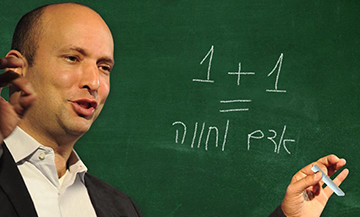
Stopping Religious Indoctrination
The Secular Forum persuaded the Education Ministry to revise school textbooks designed for Israel’s secular public schools that contained religious indoctrination. The group’s volunteers – parents concerned about the Education Minister’s propaganda efforts – reviewed 80 books used in Israeli elementary schools.

Fighting Poverty
Years of advocacy brought Finance Minister Moshe Kahlon and Housing and Construction Minister Yoav Gallant to introduce a $1 billion shekel plan that would make 2,000 housing units available to Israel’s poorest citizens. The plan also eases conditions for public housing tenants to eventually purchase their homes.

Talking, in Progressive Terms, about Security
Video footage, obtained by NIF grantee B’Tselem, of an Israeli soldier killing an incapacitated terrorist sparked a deep national conversation on morality, the rule of law, and the cost of the occupation. Progressive voices on national-security issues were prominent in this debate, which continued through the soldier’s trial and appeal in July of 2017.
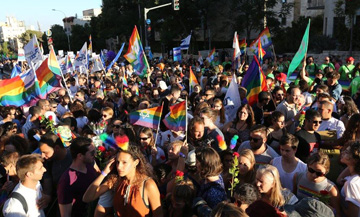
Showing up for Jerusalem Pride
After years of hateful rhetoric and violence surrounding the Jerusalem March for Pride and Tolerance, the event attracted more than 20,000 marchers for the second year in a row. A large number were religious Israelis. These unexpected partnerships between Orthodox and secular supporters of equality are growing stronger and are poised to carry this movement into the coming years.

Ending Budget Discrimination
Years of advocacy, organized in part by NIF grantee Sikkuy, led to the Cabinet’s approval of a transformative 15 billion shekel plan to end budgetary discrimination against Israel’s Arab citizens. With ongoing monitoring and advocacy by Israeli NGOs, implementation of the plan will help equalize investment in education, welfare, housing, culture, and transportation.

Breaking Glass Ceilings
Women were barred from serving as administrators of Rabbinic courts until Batya Kahana-Dror, director of Mavoi Satum, convinced the High Court to end this discriminatory practice. The ruling sends an important signal that the exclusion of women is unacceptable in the public sphere.